CULT CONVERSATIONS: JESSI BAKER, CEO OF PROVENANCE

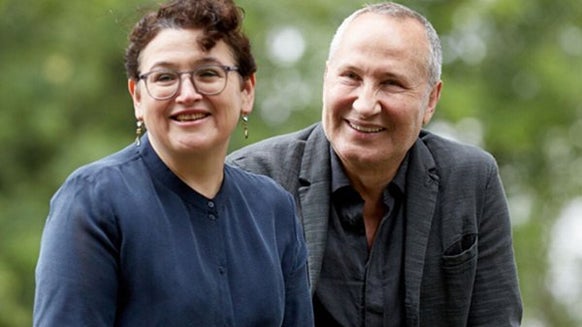
Empowering brands to take steps towards greater transparency, Provenance (www.provenance.org) cuts through the noise to establish the facts and in turn, help consumers to find the right products for them.
With their coveted Proof Points — a series of benchmarks that prove a brand’s claims — this ground-breaking platform is changing the industry landscape; joining the dots and then checking the boxes to ensure you're equipped with the info you care about. The ultimate fit for Cult Beauty (honesty is at the heart of our philosophy) we caught up with Provenance's founder, Jessi Baker, about transparency, sustainability and the future of the beauty space...
On big ideas
Provenance was borne out of personal frustration about the lack of information available about the things we buy. I want to buy products from brands that match my values, those making robust efforts to better the environment and society. It started as an evening and weekend project alongside my Ph.D. in Computer Science at UCL and then in 2016, I decided to work on Provenance full-time.
Our approach is to enable brands and retailers to bring transparency with integrity to the point of sale, similar to what Trustpilot has done for consumer reviews, we aspire to enable you to easily understand and trust key product information wherever you shop.
On Cult Conscious
It’s been over four years since Cult Beauty and Provenance first joined forces to create Cult Conscious and shoppers are more informed - and more demanding - than ever. Efficacy, ingredient quality, ethical sourcing, brand values: these aren't separate considerations anymore. Shoppers are evaluating them all at once, and they expect brands to be transparent about all of them.
What's really shifted is how people search. A few years ago, someone might have typed "vegan sunscreen" into Google. Now they're asking an AI shopping assistant: "find me a vegan sunscreen for sensitive skin, cruelty-free, fragrance-free, and under £20." They're stacking multiple values in one go, and they expect a confident, accurate answer back.
Almost 80% of beauty shoppers already have doubts about whether to trust the industry's sustainability claims, and scepticism around efficacy is just as high. The brands that close that trust gap, with real substantiated proof, are the ones that get found, recommended and chosen.
On inclusivity
We released a new 'LGBTQIA+ Led Business' Proof Point with the goal of helping shoppers identify and support more diverse brands. This is part of our ongoing work to highlight businesses with leadership in minority groups, such as Female, Black or Persons of Colour.
The significant barriers LGBTQIA+ people continue to face in public life, including in work are well documented. In the UK, Stonewall’s 2018 ‘LGBT in Britain - Work Report’ found more than a third of the LGBT workers surveyed had hidden that they are LGBT at work for fear of discrimination. In light of this, we wanted to create a Proof Point in our framework that champions LGBTQIA+ brands and encourages shoppers to support the companies that align with their values. Visibility is essential for overcoming discrimination.

45
9.50€

11
87.00€

2
38.00€

1
26.20€

52
82.00€

113
47.15€

263
82.00€

66
24.10€
On sustainability
It’s been exciting to see several new sustainability initiatives gaining traction, from wasteless products and solid formats to multi-use products designed to streamline the number of items needed to be purchased. Great for your pocket, travelling and the planet.
Next, I think shoppers will start to make the connection between climate and organic — a missing link that has meant organic hasn’t been as en vogue as carbon claims recently. The Soil Association’s most recent Organic Market Report shared that the UK organic market has grown by 1.6% even in these difficult times. Natural and organic products still have to work hard to sell their benefits for health, but also in how they protect the climate, but I believe this will resonate with shoppers. Brands will need to be more transparent on the work they are doing and ensure those benefits are accessible to shoppers through retail, social and wherever else they are shopping — so the link between organic and carbon is clear.
On innovation
At its core, Provenance exists to make claims trustworthy, and that's expanded well beyond sustainability. Whether a brand is making claims about how a product performs, what it's made from, how it was sourced, or its environmental impact, the challenge is the same: shoppers have heard it all before, and they're rightly sceptical. Our technology exists to put proof behind the promise.
Every claim we power is validated and secured in a permanent, auditable format, so when a brand says it's cruelty-free, clinically tested, or made with certified organic ingredients, there's real evidence behind it, not just marketing copy.
What's evolved is what that validated data can do. We've invested heavily in making sure claims are structured and machine-readable, so that however a shopper is searching, whether on a product page, through a retailer's filters, or via an AI shopping assistant, they get answers they can actually trust. Provenance is how great products get found in that world.
On next steps
What we're most excited about is making sure that however a shopper chooses to shop for Cult product, whether browsing, searching, or increasingly asking an AI assistant to do the legwork for them, the answer they get is one they can actually trust. Shoppers are using new tools to shop in ways that genuinely reflect their values, and when they do, we want the products that surface to be ones with real, validated proof behind every claim. That's good for shoppers, good for the brands doing things properly, and it's exactly what this partnership is built for.
On accountability
The regulatory environment has tightened significantly, and not just around sustainability. Greenwashing legislation, efficacy claim standards, ingredient transparency requirements: governing bodies globally are raising the bar, and brands making vague or unsubstantiated claims are increasingly exposed.
But I'd encourage brands to reframe this. Compliance is the floor, not the ceiling. The brands pulling ahead are treating verified transparency across sustainability, efficacy and quality as a growth strategy rather than a legal obligation.
On shopping
When shopping I always pause to ask myself 'Do I really need it?' and 'Do I already have something that can do this job?' The most sustainable thing is the one I already own.
Is it minimising waste e.g. widely recyclable packaging - in beauty, packaging is generally quite a large % of the impact
Is the product made in way that aligns with my values? I search for diversity (female/black/LGBTQIA+ led) in company leadership and organic certifications e.g. COSMOS (amongst many other things - remember, I’m a sustainability geek!).
FIND OUT MORE >>