ARTISTRY FOR ALL: MAC JOINS CULT BEAUTY

Artists. Activists. Experimenters. Icons – MAC has joined Cult Beauty.
As beauty lovers, we’ve all been shaped by MAC moments; from fleeting flirtations to lasting attachments, the shades that tell our stories and fuel self-expression. Spice. Strobe Cream. Studio Fix – names that need no introduction – and with new innovations continually breaking beauty ground, we're thrilled the artistry-led label has officially joined Cult.
To celebrate the launch, we sat down with Dominic Skinner, MAC’s Director of Makeup Artistry, to explore the brand’s trailblazing legacy, its expert approach to shade matching and the trends poised to define 2026.
“MAC is an icon in the beauty world. We’ve been first to market with so much, but at our core, we’re a makeup artist brand. I always say, if it’s in a makeup artist’s kit, it’s something you should be paying attention to,” Dominic tells us.
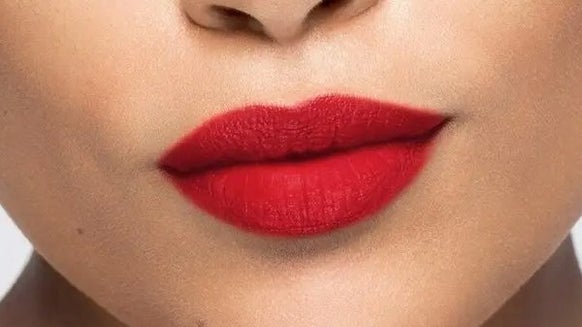
“At MAC, we’re for everybody — and our products are too. They work for everyone. Your 90-year-old grandmother, your 30-year-old ex-punk, and your sweet 16 can all wear Ruby Woo — they just wear it in a way that’s completely their own. We don’t want you to look like us; we want you to look like you. With our products, expertise and artistry — all you need to do is come and play, and we’ll bring out the artist in you.”
Here’s to the iconic MAC moments that have defined us, and the ones still yet to come. Ready for your next reinvention?
Brave, Bold, Boundary-Pushing – Get To Know MAC’s Story
More than a makeup brand, MAC is about belonging. Built on professional-grade artistry, forward-thinking innovation and a commitment to inclusivity, MAC has consistently made room for voices and identities pushed to the perimeters of society. From its beginning in downtown Toronto in 1984, its founders, makeup artist Frank Toskan and salon owner Frank Angelo, prioritised purpose and versatility, designing richly pigmented formulas that performed under the intensity of studio lighting – on camera, and on the runway – while working for every face, every age. As much as it has shaped beauty, MAC has shaped culture. As much as it has shaped beauty, MAC has shaped culture. In 1994, the brand launched Viva Glam — a clarion call for inclusivity — and a campaign that has amplified awareness for social causes and raised over $500 million for HIV/AIDS programs worldwide – beginning with a 6-foot, red-leather-clad, peroxide-blonde RuPaul Charles as its first ambassador. Since then, Lady Gaga, Miley Cyrus, Ariana Grande and many more have all lent their voice to the campaign.
From a scarlet swipe of Russian Red on the lips of Madonna during her “Blonde Ambition” tour to the earthy warmth of Spice Lip Liner that defined the reign of the 1990s supermodel. MAC has – and continues to – shape the language of culture and beauty, remaining a creative force that continues to inspire, provoke, shock and surprise.
Your Perfect Match: Decoding MAC’s Extensive Shade Range
With inclusivity at its heart, MAC has long set the benchmark for diversity, offering an expertly curated collection of shades designed to suit and celebrate the full spectrum of skin tones – today, the Studio Fix Foundation now offers an impressive 76.
“We have enough shades in our line-up to match you perfectly — but we also have the variety that allows you to customise to your exact specifics. So you never have to make do. You never have to lower your expectations or compromise your standards," Dominic says.
“You should never settle. Don’t settle for boyfriends, don’t settle for holidays — and definitely don’t settle for foundation.”
Inside MAC’s Shade System
“MAC breaks down its foundation shades using a combination of a letter and a number. The number represents the depth of the skin tone: the lower the number, the lighter the shade, and the higher the number, the deeper the complexion. The range typically starts at 5 for the lightest tones and goes up to 65 for the deepest.”
“We then break the shades down further by letter, which refers to undertone. ‘C’ sits on one end of the spectrum and stands for cool undertones, which include olive or yellow tones. On the other end is ‘W,’ which stands for warm undertones — these are your pink or red-leaning complexions.”
“In the middle of the spectrum are neutral undertones. ‘N’ represents a balanced mix of cool and warm tones. We also use ‘NC’ and ‘NW,’ which indicate shades that lean slightly toward one undertone or the other.”
“The easiest way to think of it is like directions on a compass — you have your north and south, east and west, and then the in-between points like northeast and southeast.”
On Finding Your Undertone
“A good place to start is your cheeks — take a detailed look at the cheek area and see if you notice more pink tones or more yellow tones showing through. Another useful area to check is your neck. The skin on the neck is usually more protected from the sun, so it often gives you a more accurate indication of whether your natural undertone is warm or cool.”
“You can also think about how your skin reacts in the sun. If you go on holiday and develop a develop a fairly quick, beautiful tan, that usually suggests more of a ‘C’ undertone, as your pigmentation is naturally suited to that transition.”
“Likewise, if you go into the sun and your skin turns pink or red first, and then after a couple of days develops a golden tone, it’s more likely that you lean pink.”
“For the most accurate shade match, try the foundation directly under the eye, because that’s naturally where people tend to look when they’re talking to you. You’ll also want to test it on the forehead as it often catches more light, so it’s important to make sure the shade still looks right there. Finally, try a little on the neck or along the collarbone for a seamless blend.”
Which MAC Foundation is Right for You? The Difference Between Studio Fix Fluid, Studio Radiance Foundation and Studio Fix Powder Plus Foundation

39.10€

41.40€

39.10€
“Choosing the right foundation really comes down to two things: your skin type and the finish you want. A helpful rule is to go for the opposite of your skin type — if you have oily skin, a matte foundation can help control shine, while dehydrated skin benefits from a more hydrating formula.”
“Within MAC’s core range, there are three key options: Studio Radiance, Studio Fix Fluid, and Studio Fix Powder. Studio Fix Fluid sits in the middle — slightly radiant, slightly matte — making it a great all-rounder.”
“If you prefer a very matte finish, Studio Fix Powder is ideal. For a more hydrated, luminous, skin-first look, Studio Radiance is a great choice.”
“When applying foundation, always work backwards and look at the bigger picture. Start with the foundation you want, then take a step back and ask yourself: what can I still see coming through? Maybe there’s a little redness — great, add a light wash of concealer to neutralise it. Step back again. What’s left? If there are a few blemishes, take a spot concealer and just dab, dab, dab. It’s not about masking your entire face — it’s about being precise and targeted with your application.”
2026’s Coolest Colour Story: Dirty Nude
Effortless, undone and a little unravelled, Dirty Nude is a modern twist on classic, clean neutrals – balancing softness with subtle edge. Dominic reveals the four essential MAC products that bring the lived-in aesthetic to life, and his top insider techniques.

23.00€

25.30€

28.75€

31.05€
“All you need is Groundwork Paint Pot Eyeshadow, Teddy Eye Kohl Pencil Liner and Lustreglass Lipstick in Thanks, It’s MAC!”
“Smudge Groundwork Paint Pot across the lid and blend softly into the crease. Line the waterline and tightline with Teddy Eye Kohl Pencil, then messily work it in with your fingers for that perfectly undone effect. Then butcher the hell out of your lashes with MACStack Mascara — gunk it, chunk it, layer it until the lashes feel heavy and dramatic.”
Finish with a swipe of Thanks, It’s MAC lipstick – a neutral, soft pink with silvery pearl flecks. Kiss the back of your hand, rub your hands together, then press the excess onto your cheeks for a dewy, just-flushed feel.
It’s effortless cool-girl chic — think Paris meets London. Keep it simple. Keep it tight. Don’t overcomplicate it.
The MAC Legends

33.35€

23.00€

39.10€

28.75€

32.20€

25.30€